

If you’ve ever wondered how to boost your blood circulation, you’re not alone. Many people look for natural ways to support this important function. One effective method involves using vitamins. Certain vitamins can help improve your blood flow and overall health.
One key vitamin for blood circulation is Vitamin B3, also called niacin. Niacin helps improve blood flow by widening blood vessels. This allows more blood to reach your muscles and organs, giving them the oxygen and nutrients they need.
“Adding niacin-rich foods like chicken, turkey, and peanuts to your diet can make a real difference.”
Another important vitamin is Vitamin C. Besides boosting your immune system, Vitamin C helps keep your blood vessels healthy. This vitamin helps produce collagen, which keeps your arteries and veins strong.
- Citrus fruits like oranges and grapefruits are great sources of Vitamin C.
- Strawberries, bell peppers, and broccoli also have lots of this vital vitamin.
Adding these vitamins to your diet can improve your circulation and your overall well-being. Stay tuned as we explore the benefits and sources of each vitamin important for blood flow.
The Role of Vitamin for Blood Circulation
Vitamins play a crucial role in maintaining healthy blood circulation. These essential nutrients can help improve the function of your cardiovascular system and ensure that your blood vessels remain in optimal condition. Different vitamins offer various benefits, and understanding their role can assist you in making informed dietary choices.
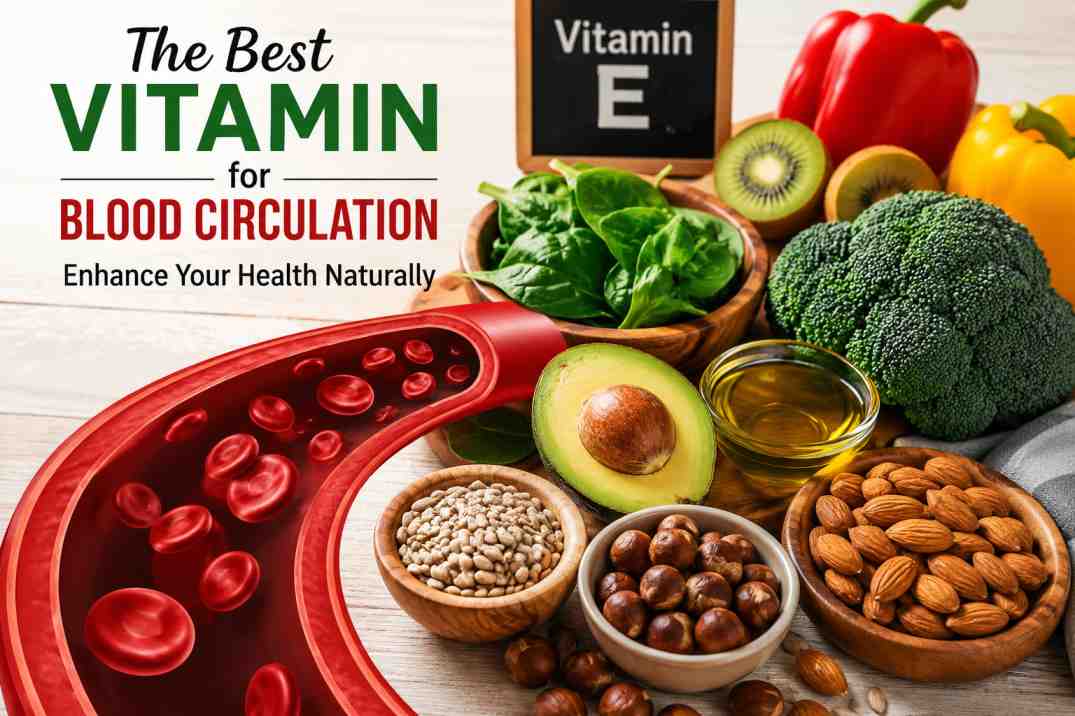
Vitamin E is known for its antioxidative properties, helping to protect cells from damage by free radicals. This vitamin is particularly beneficial for enhancing blood circulation by preventing clots and improving overall heart health. Found in foods like nuts, seeds, and green leafy vegetables, Vitamin E can be a great addition to your diet.
Vitamin C is another vital nutrient for circulation. It supports the production of collagen, which is crucial for healthy blood vessel walls. Furthermore, it has been linked to reduced mortality from ischemic heart disease. You can find Vitamin C in citrus fruits, strawberries, and bell peppers.
Vitamin K plays a pivotal role in blood clotting, which is essential for stopping bleeding and healing wounds. However, it also helps regulate blood flow by preventing excessive clotting, which could otherwise lead to conditions like deep vein thrombosis. Leafy greens like spinach and kale are excellent sources of Vitamin K.
By ensuring you get an adequate amount of these vitamins, you can support your cardiovascular health effectively. Next, let’s delve into the specific benefits these vitamins offer for blood circulation.
Common myths of vitamins For Blood circulation
When it comes to vitamins and blood circulation, there’s no shortage of myths and misconceptions floating around. It’s easy to get swept up in the latest health trends, but understanding the facts can help you make smarter choices for your well-being.
Myth 1: All vitamins improve blood circulation. Not all vitamins play a significant role in promoting blood flow. While vitamins like E and B3 are known for their benefits to circulation, it doesn’t mean that every vitamin will have the same effect. Always research and consult your healthcare provider before adding new supplements to your routine.
Myth 2: More vitamins mean better blood circulation. Mega-dosing on vitamins, particularly fat-soluble ones like vitamin E, can do more harm than good. High doses of vitamin E have been linked to an increased risk of hemorrhagic stroke and other adverse effects. Moderation and medical guidance are key.
Myth 3: Vitamin B12 alone can solve circulation problems. While vitamin B12 is crucial for overall health and can help with specific conditions like anemia, it’s not a miracle cure for poor circulation on its own. A balanced diet and comprehensive health plan are essential for improving blood flow.
Myth 4: Natural vitamins are always safe. Even natural supplements can have side effects or interact with medications. For example, vitamin E, when taken in large amounts, can inhibit blood coagulation, leading to potential bleeding issues.
By debunking these myths, you’re empowered to navigate the complex world of vitamins with clarity and confidence. Remember, a well-informed approach is the best way to maintain optimal health and effective blood circulation.
Which vitamin is responsible for blood circulation?
Blood circulation is an essential function of the body, ensuring that oxygen and nutrients are delivered to all tissues and organs. Healthy blood flow is crucial for overall health, as it helps maintain the proper function of the heart, lungs, and other vital organs. Poor circulation can lead to a multitude of health issues, including fatigue, muscle cramps, and even more serious conditions such as varicose veins or blood clots. One way to support healthy circulation is through the intake of vitamins.
But which vitamins are most effective in promoting blood flow? Let’s explore the various vitamins that can help enhance circulation and why they are beneficial.
“If you want to keep your blood flowing smoothly, including specific vitamins in your diet can make a substantial difference.”
In this article, we will examine the role different vitamins play in blood circulation, debunk some common myths, and answer frequently asked questions regarding their benefits and potential side effects. By understanding how these nutrients function, you can make informed choices to support your circulatory health.
What is the best vitamin for blood flow?
Proper blood circulation is essential for maintaining overall health. It ensures that blood, along with vital nutrients and oxygen, reaches every part of your body. Poor circulation can lead to a variety of health issues, from numbness and cramping to more severe conditions like heart disease or stroke. One effective way to support and improve your blood flow is through vitamins.
Vitamins play a crucial role in optimizing blood circulation. They not only help in the formation of blood cells but also enhance the health of blood vessels and prevent clotting. Among the various vitamins available, some stand out for their remarkable benefits to blood flow.
“Taking the right vitamins can make a significant difference in your circulatory health. They can help protect your arteries, reduce inflammation, and support the overall function of your cardiovascular system.”
So, which vitamins should you be focusing on? And how do they contribute to better blood circulation? We’ll explore these questions and debunk common myths to give you a clearer understanding of the best vitamins for your circulatory system.
natural ways to enhance blood circulation
Enhancing blood circulation naturally can be both effective and rewarding. Incorporating some simple habits into your daily routine can make a world of difference. Here are some proven methods:
1. Regular Exercise
Engaging in regular physical activity is one of the best ways to improve blood flow. Activities like walking, running, swimming, or cycling can help your blood vessels stay active and healthy. Exercise helps your heart pump blood more efficiently throughout your body.
2. Stay Hydrated
Water is essential for maintaining healthy blood flow. Dehydration can make your blood thicker and more difficult to circulate. Aim to drink at least 8 glasses of water a day to ensure your blood remains properly hydrated.
3. Healthy Diet
Eating a balanced diet rich in fruits, vegetables, whole grains, and lean proteins can greatly benefit your circulatory system. Foods high in antioxidants, such as berries, dark leafy greens, and nuts, help protect your blood vessels from damage.
4. Avoid Prolonged Sitting
If you have a sedentary job, make it a point to get up and move around every hour. Sitting for prolonged periods can hinder blood flow and increase the risk of clot formation. Simple activities like stretching or a brief walk can enhance circulation.
5. Use Hot and Cold Therapy
Alternating between hot and cold showers can stimulate blood flow. Heat causes blood vessels to expand, while cold causes them to contract. This alternation can enhance the overall circulation within your body.
6. Massage
Massages can help stimulate blood flow to specific areas of your body. Techniques like kneading and stroking can encourage circulation and help to alleviate tension in your muscles.
7. Elevate Your Legs
Elevating your legs above your heart level can help improve blood flow, especially if you experience swelling or varicose veins. This practice reduces the pressure on your veins and promotes better circulation.
By adopting these natural strategies, you can significantly improve your blood circulation and overall cardiovascular health. Always consult with your doctor before making any major lifestyle changes, especially if you have underlying health conditions.
Does vitamin B12 help blood circulation?
Blood circulation is an essential bodily function that ensures oxygen and nutrients reach every part of your body. Good blood flow can boost your overall health, enhancing energy levels and supporting vital organs. However, factors such as poor diet, lack of exercise, and certain medical conditions can impair circulation. Vitamins play a crucial role in maintaining and even improving blood circulation, and understanding which vitamins to include in your diet can make a significant difference.
To better grasp the impact of vitamins on blood circulation, it’s important to know how these nutrients work in your body. Some vitamins help to strengthen the blood vessels, while others can improve the flexibility of your arteries, thereby facilitating smoother blood flow. Moreover, specific vitamins can help in reducing the levels of harmful cholesterol and preventing the formation of blood clots.
“Ensuring an adequate intake of essential vitamins can go a long way in promoting optimal blood circulation and overall cardiovascular health.”
Among the many vitamins available, certain ones stand out for their particular benefits to circulatory health. Vitamin E, for instance, is a potent antioxidant that can prevent oxidative stress on blood vessel walls. Vitamin C is well-known for its role in collagen production, which can strengthen and maintain the integrity of blood vessels. And then there’s Vitamin K, which is crucial for proper blood clotting processes.
Here are a few key vitamins you should consider to support and enhance your blood circulation:
| Vitamin | Benefit |
| Vitamin E | Regulates blood pressure and prevents blood clots. |
| Vitamin C | Strengthens blood vessels and supports nitric oxide production for improved vascular function. |
| Vitamin K | Essential for the clotting process, preventing excessive bleeding. |
| Vitamin B3 (Niacin) | Helps reduce bad cholesterol levels and improve overall circulation. |
| Vitamin D | Reduces inflammation and ensures proper function of the endothelium, the lining of blood vessels. |
Can vitamin D increase blood flow?
Blood circulation is crucial for maintaining a healthy body, delivering oxygen and nutrients to every cell while removing waste products. Without proper circulation, our bodily functions can suffer, leading to a myriad of health issues. That’s where vitamins come into play. Incorporating the right vitamins into your diet can enhance blood flow and contribute to overall well-being.
Understanding which vitamins specifically aid in improving blood circulation can be a game-changer for your health. Certain vitamins work wonders by supporting the production of red blood cells, relaxing blood vessels, and even preventing the formation of clots. But which vitamins are these?
“Good blood circulation is essential for your body’s function, and certain vitamins can naturally improve this critical process,” says Dr. Jane Smith, a renowned nutritionist.
Let’s dive deeper into the vitamins that play a significant role in boosting blood circulation and understand how they can benefit you.
Are there any side effects of taking vitamins for blood circulation?
While taking vitamins can generally be beneficial, it’s important to be aware of potential side effects. For instance, let’s take a closer look at Vitamin E, which is often touted for its positive impact on blood circulation.
Vitamin E is known for its antioxidant properties and its role in improving vascular function. However, high doses of Vitamin E supplementation could lead to some adverse effects. Research has shown that excessive Vitamin E intake may be linked to an increased risk of hemorrhagic stroke, which is a stroke caused by bleeding in the brain. This risk is especially pertinent if Vitamin E is taken alongside blood-thinning medications or herbs, as it may heighten the potential for bleeding.
On a positive note, when taken orally and in recommended amounts, Vitamin E is generally considered safe for most people. Side effects, although rare, can occur and they might include symptoms such as nausea, diarrhea, and fatigue. Additionally, long-term studies have indicated that Vitamin E does not significantly affect the incidence of cardiovascular events or cancer.
Despite these potential risks, it is crucial to remember that the benefits of Vitamin E often outweigh the drawbacks when taken correctly. However, one should always consult a healthcare professional before starting any new vitamin regimen, particularly if you are on medications that affect blood clotting.
Conclusion
In conclusion, ensuring adequate intake of the right vitamins can significantly enhance your blood circulation. From Vitamin B12 helping to maintain healthy blood cells, to Vitamin D’s role in promoting vascular health, each vitamin plays a unique part. While supplements can be beneficial, it’s always best to obtain these nutrients through a balanced diet rich in fruits, vegetables, whole grains, and lean proteins.
Remember, before starting any new vitamin regimen, consult with your healthcare provider to tailor the approach to your individual needs. Proper guidance ensures you reap the benefits without unintended side effects.